News, ideas, research, exercises, stories and reflections related to the sport of cycling.
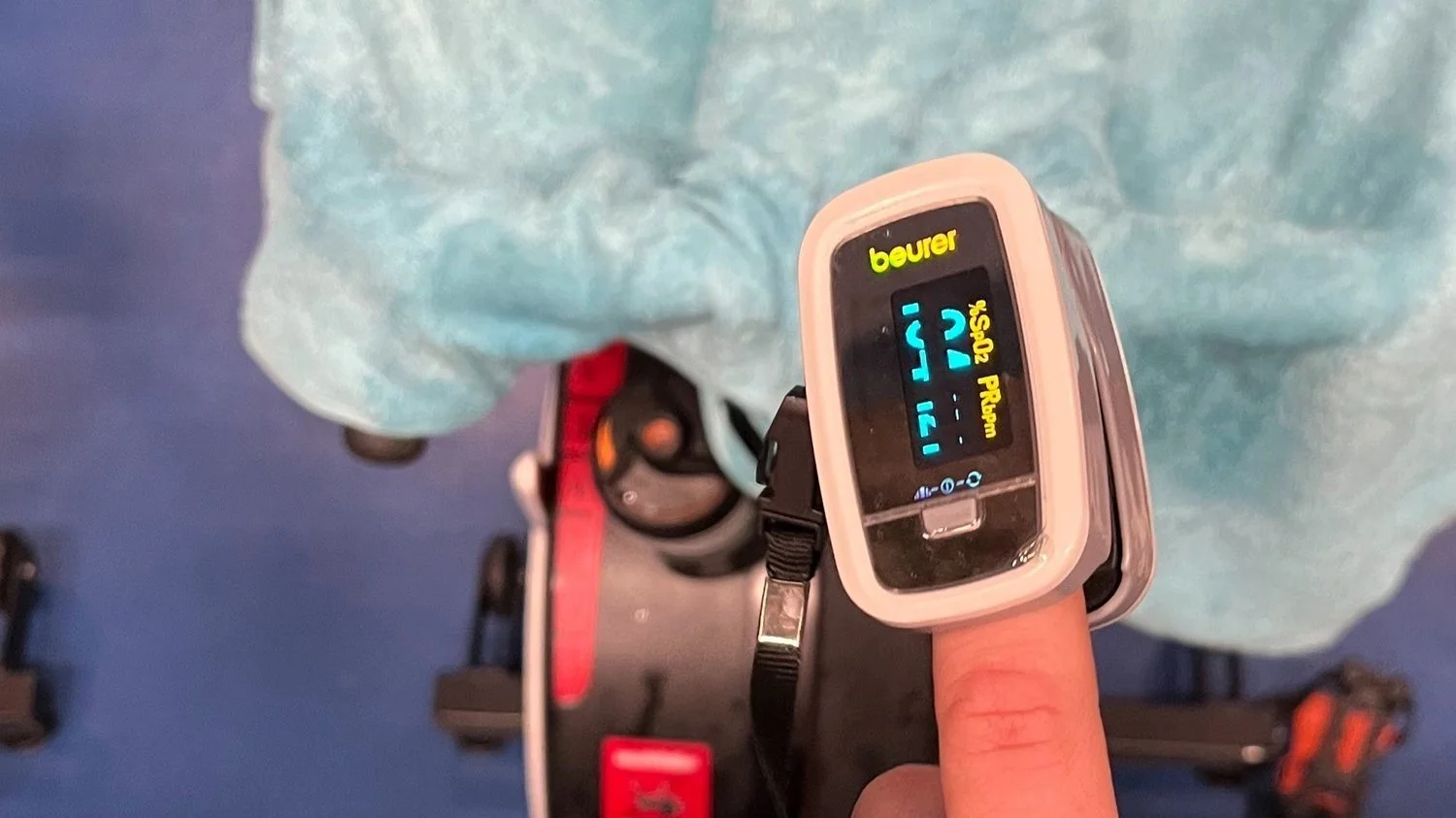
Maximizing the oxygen saturation - to be able to train with higher intense?
Do you often feel numbness in your legs and muscular fatigue before your central system, i.e., heart/lungs, gets tired? This is quite common and can be due to something called "exercise-induced arterial hypoxemia" (EIAH). Erik delves into what causes this and what can be done about it.
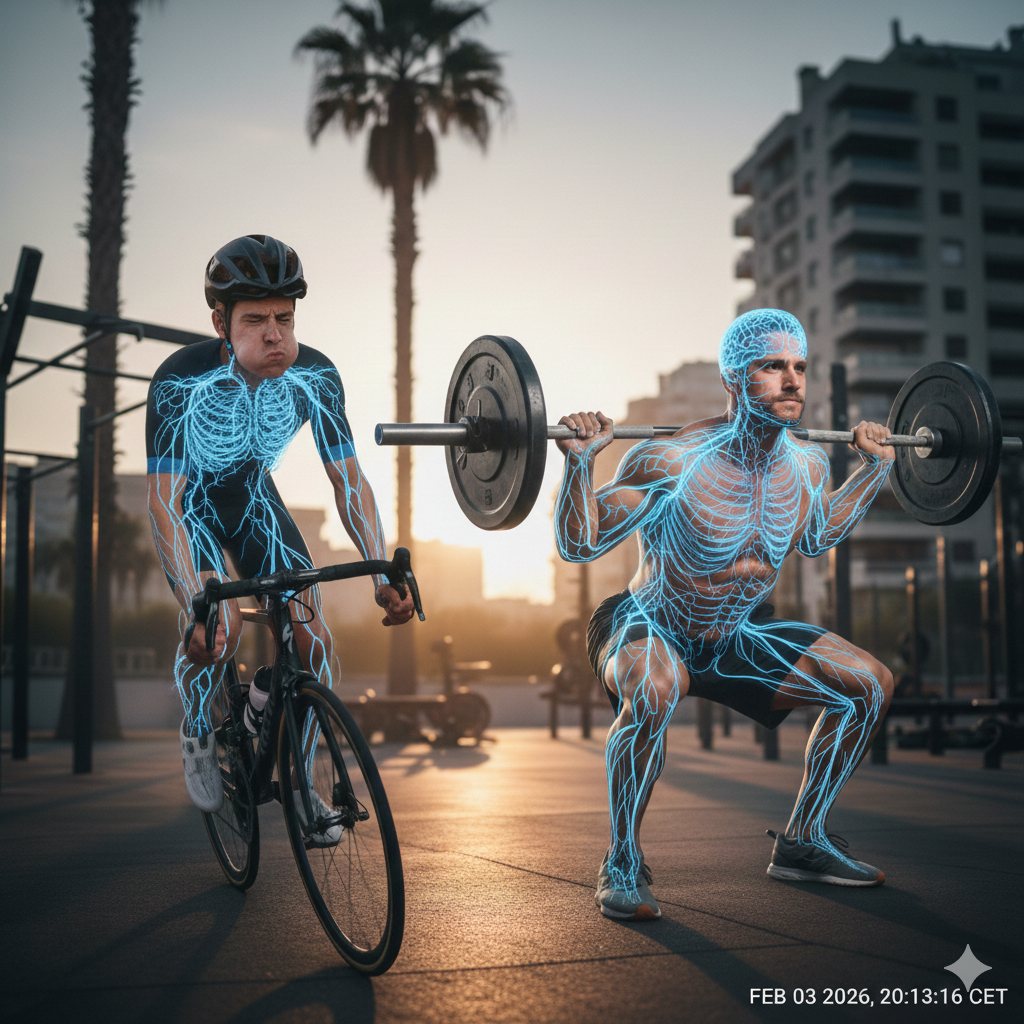


The unseen advantage: MTB XCE World Champion Edvin Lindh on Coaches, Confidence and the Joy of Suffering
World Champion cross-country Eliminator cyclist Edvin Lindh is not just a master of speed and power; he’s a student of the mental game. In a recent interview i the
D-VELO-P cycling training podcast, Lindh dives deep into the non-physical elements that have been critical to his elite career, from the role of a coach to the philosophy that keeps him going.
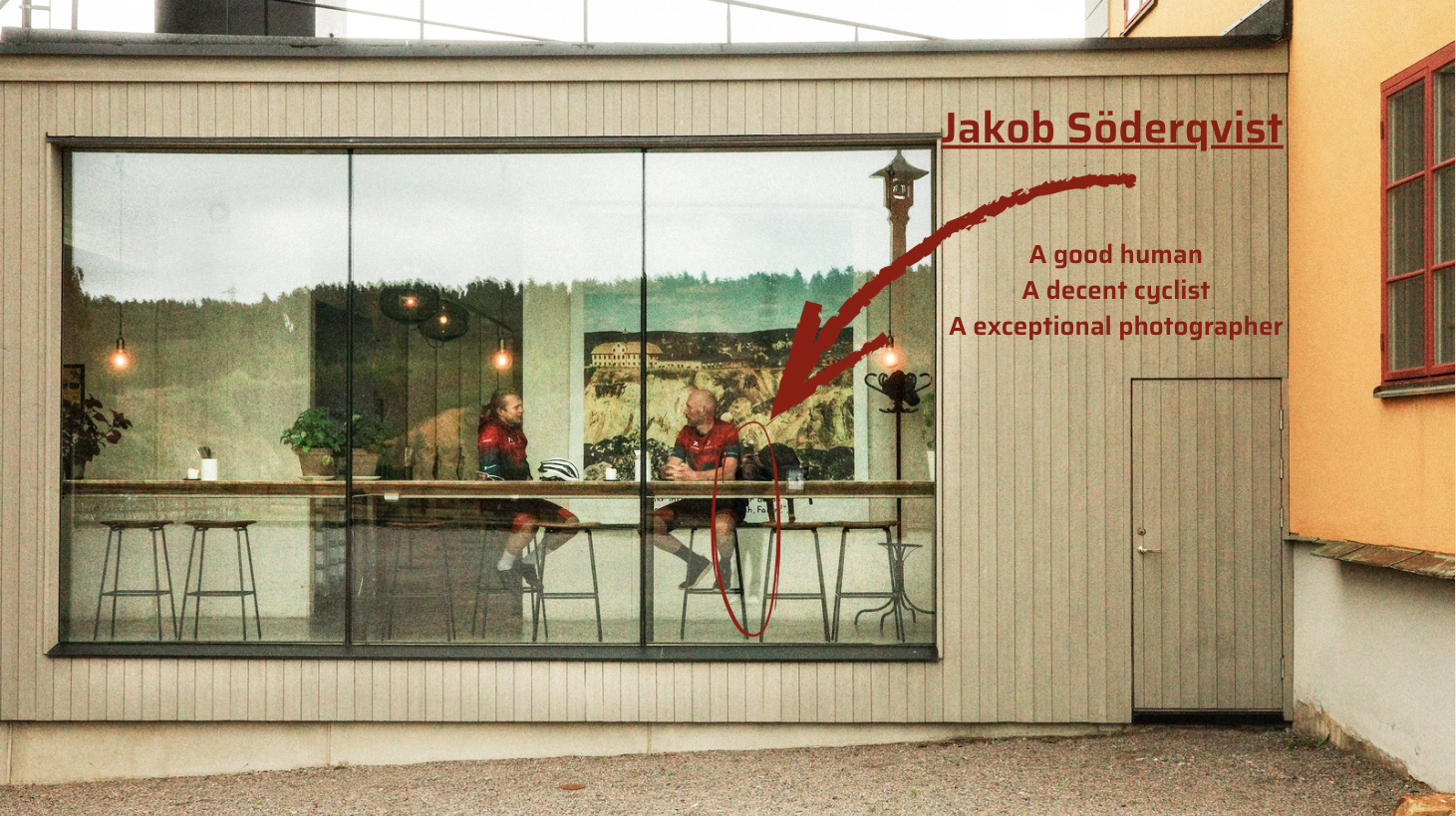
The Coach, the Clock, and the Quest for Joy: Key Lessons on Sustainable Performance from U23 ITT World Champion Jakob Söderqvist
In a sport increasingly dominated by watts, algorithms, and objective data, what happens when a top-tier professional cyclist decides to ride “blind”? This was the core question in a fascinating discussion with pro cyclist and UCI World Champion Jakob Söderqvist, his coach Fredrik Ericsson, and coaching colleague Erik Åkesson.
Goal setting
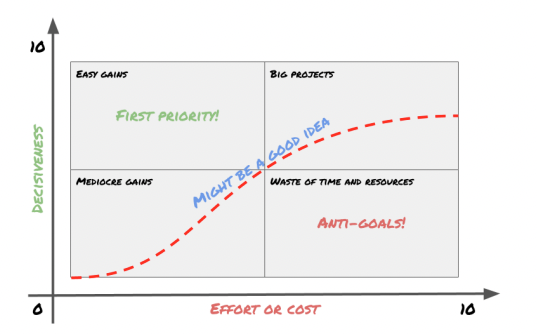
Welcome to the start of a new year—the perfect time to talk about goal setting. While the “New Year, New Me” mantra often fades, we believe goal setting should be a continuous, year-round system that keeps you on track. It’s about setting goals now and following up on them throughout the year, revising and reviewing as needed.
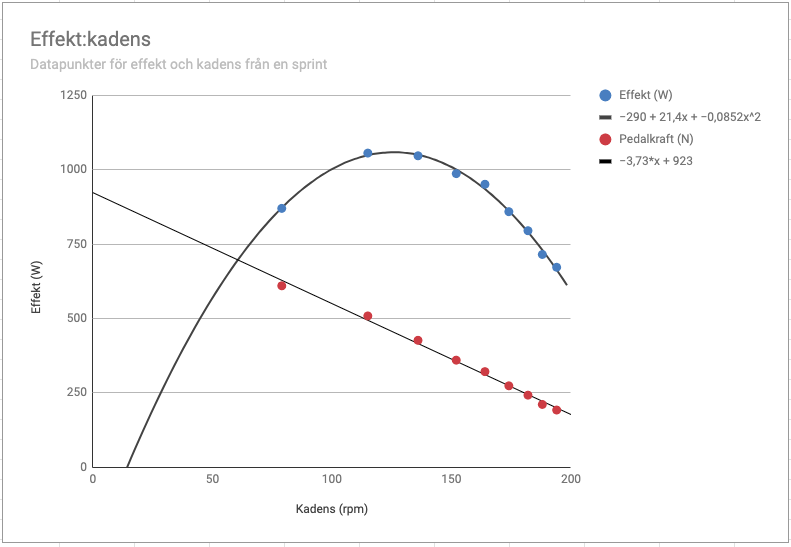
Power:Cadence-test
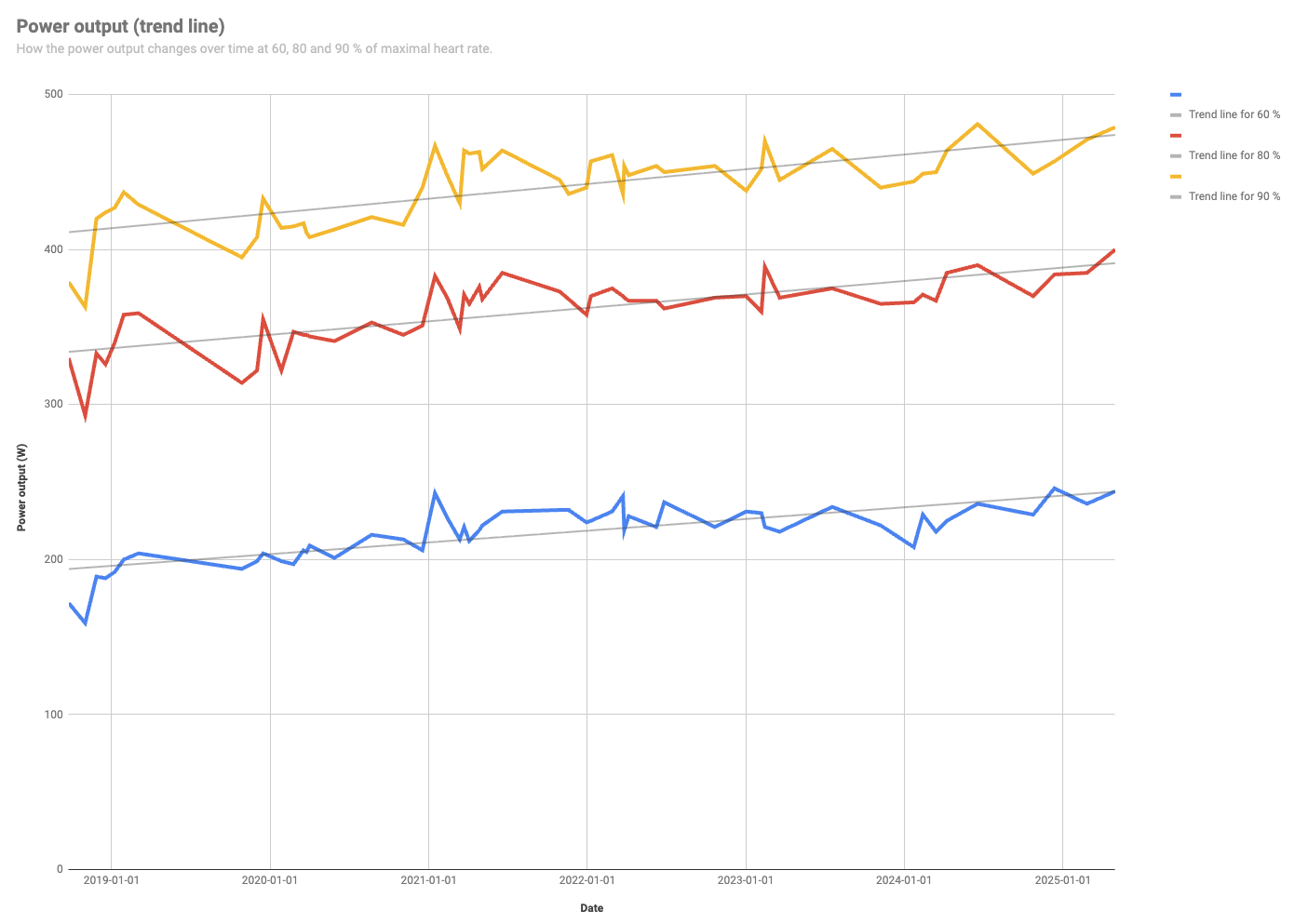
After the critical power test, which is a test you repeat 2-4 times a year and takes a couple of days to complete, we went through the Recovery and training status test. A test that is ideally repeated every 2-4 weeks and only requires 16 minutes and 30 seconds of your day, showing your current training status. We now move on to a third test, which is even shorter and mentally easier to perform.